The USS Constitution operated with a large, tightly organized crew whose size, structure, and daily routines reflected the demands of naval warfare in the late 18th and early 19th centuries. As a heavy frigate, she typically carried between 400 and 480 officers and enlisted men during wartime, though this number could vary depending on mission, period, and the number of guns carried.
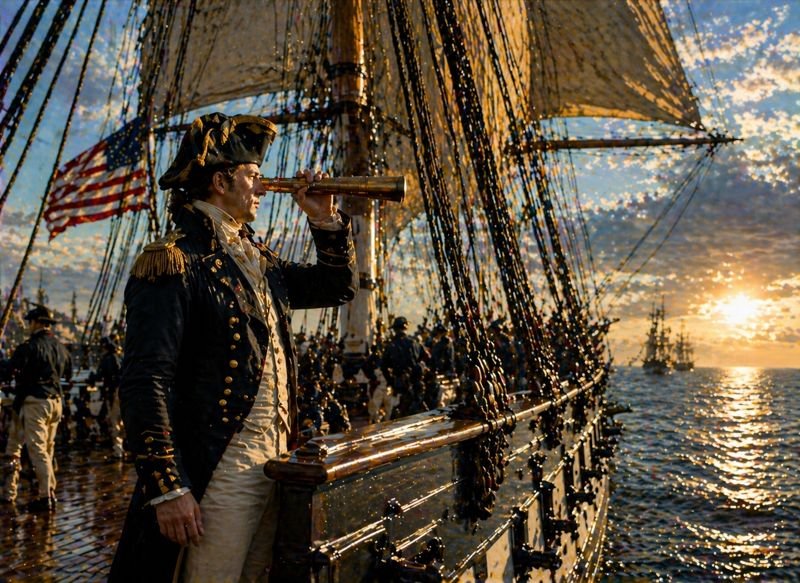
At the top of the command structure was the captain, the ship’s absolute authority at sea. Figures such as Isaac Hull and William Bainbridge commanded the Constitution during some of its most famous engagements. The captain was responsible for navigation, discipline, combat decisions, and overall operation of the ship. Below him were commissioned officers, including lieutenants who supervised different sections of the vessel, and specialists such as the sailing master (responsible for navigation), the surgeon, and the purser, who managed supplies and finances.
A key figure in the ship’s hierarchy was the first lieutenant, often acting as the captain’s second-in-command and overseeing the day-to-day running of the ship. Beneath the commissioned officers were warrant officers, including the boatswain, gunner, and carpenter. These men were technical experts responsible for maintaining the rigging, weapons, and hull. Their knowledge was essential to keeping the ship operational, especially during long voyages or after battle damage.
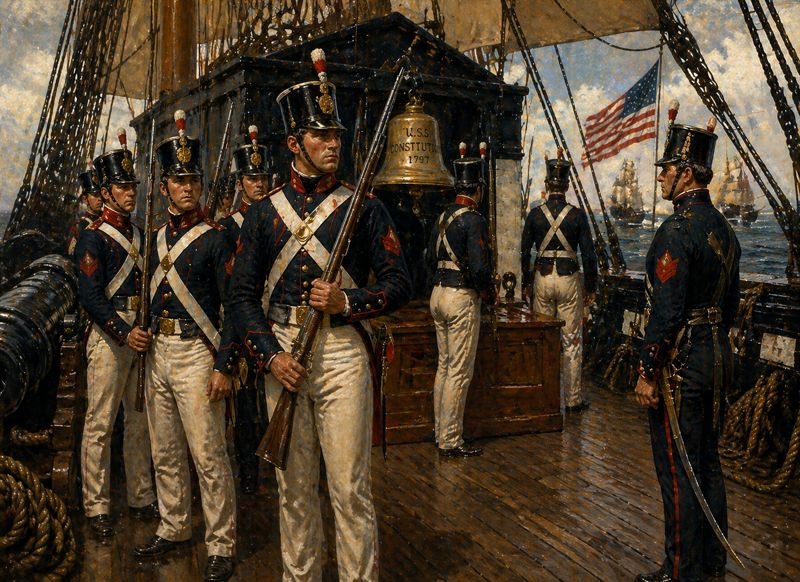
The majority of the crew consisted of enlisted sailors and Marines. Sailors were divided into roles based on skill and experience, able seamen, ordinary seamen, and boys (young trainees). Each had specific duties, from handling sails and rigging to maintaining equipment and standing watch. U.S. Marines aboard the ship served both as security and as combat troops, often positioned in the rigging during battle to fire down on enemy crews or stationed on deck to enforce discipline.
Life aboard USS Constitution was highly structured and physically demanding. The crew operated on a watch system, typically divided into two or more groups that rotated duties throughout the day and night. This ensured that the ship was always manned, whether sailing, navigating, or maintaining readiness for combat. Work included handling sails, scrubbing decks, repairing equipment, and preparing weapons. Even in calm conditions, there was little idle time.
Living conditions were cramped and often uncomfortable. Enlisted men slept in hammocks slung between the guns on the lower decks, packing them away each morning to make space for daily activities. Officers had small cabins toward the stern, offering slightly more privacy but still limited comfort. Ventilation was poor, especially below decks, and the combination of heat, moisture, and close quarters could make conditions difficult, particularly during long voyages.
Food was basic and repetitive. Sailors were typically issued salted meat, hardtack (a type of dry biscuit), beans, and occasionally fresh provisions when available. Water was stored in casks and could become stale over time, so rum or other spirits were sometimes issued in small quantities. Meals were eaten in groups, fostering a sense of shared experience but also reflecting the hierarchical nature of shipboard life.
Discipline was strict, as maintaining order was essential on a warship. The captain and officers enforced rules through a system of rewards and punishments. Flogging, though controversial even at the time, was used as a means of maintaining discipline for serious offenses. At the same time, camaraderie among the crew was strong, as sailors depended on one another for safety and survival.
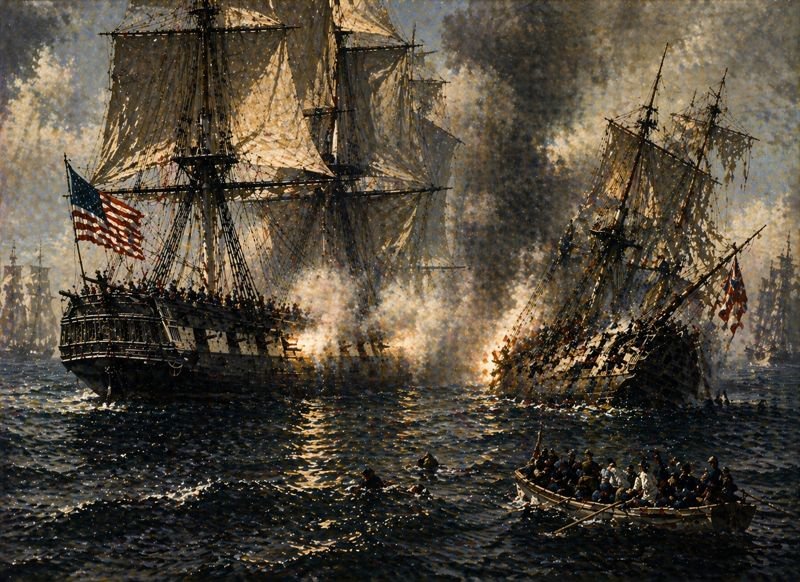
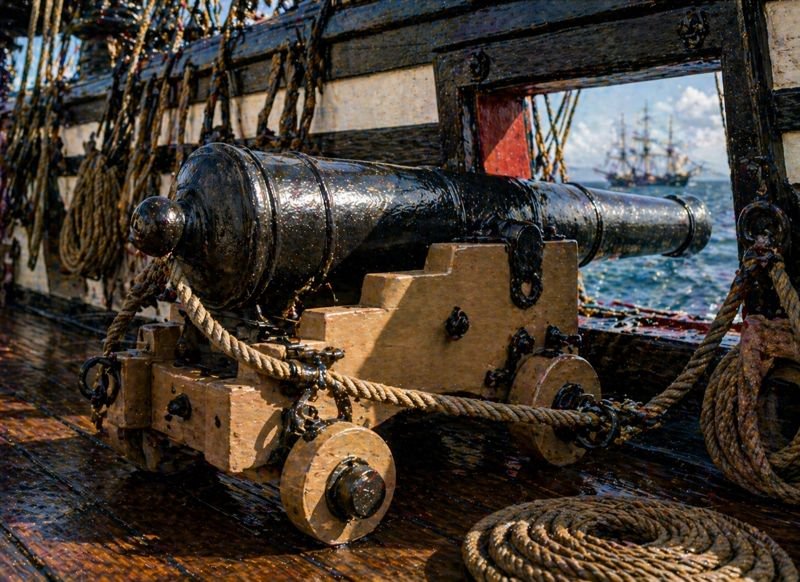
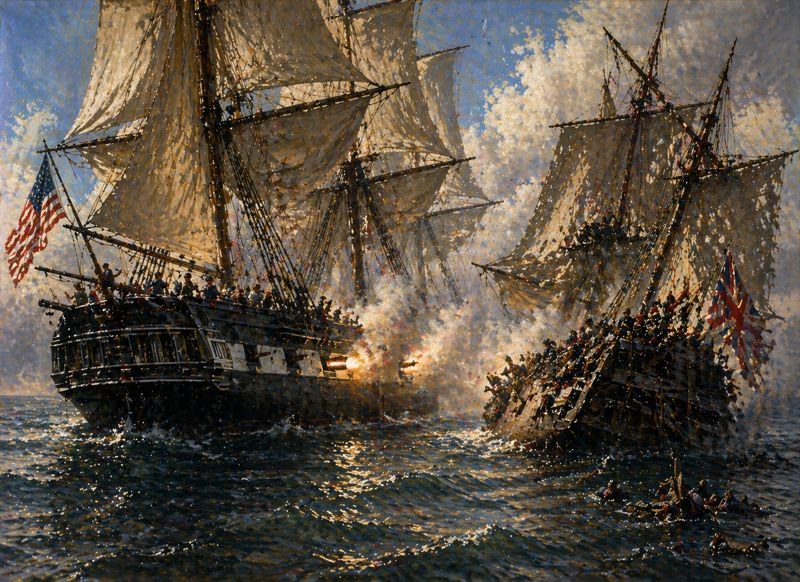
Combat brought an entirely different intensity to life aboard the ship. When preparing for battle, the crew would “beat to quarters,” meaning each man went to a preassigned station. Gun crews worked in teams to load, aim, and fire the cannons with speed and precision. Marines took up positions to provide covering fire, while officers coordinated the overall action. Battles were loud, chaotic, and dangerous, with the risk of injury from enemy fire, splintering wood, and the operation of heavy guns.
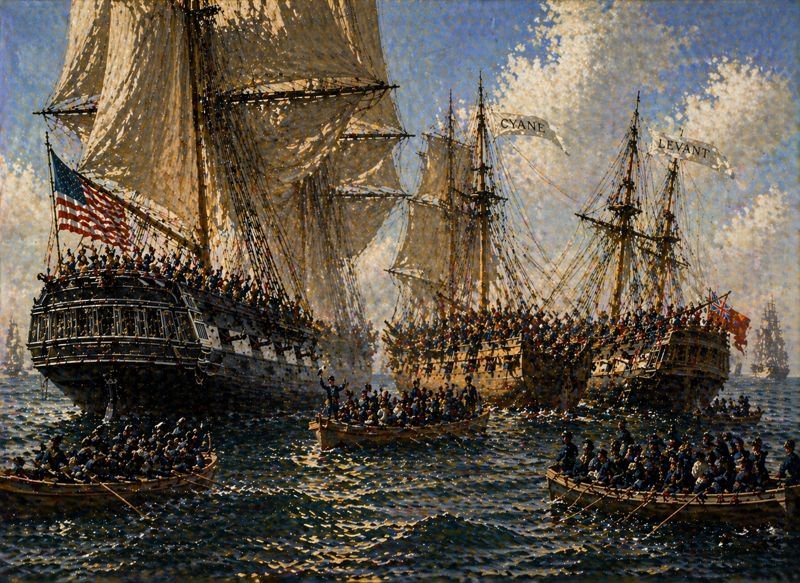
Despite these hardships, service aboard USS Constitution also offered opportunities. Sailors could earn prize money from captured enemy ships, and skilled individuals could rise through the ranks over time. For many, the navy provided a steady, if demanding, livelihood in an era when economic opportunities were limited.
In a broader sense, the crew of USS Constitution represented a cross-section of early American society. Men came from different regions and backgrounds, united by the shared experience of naval service. Their efforts were crucial to the ship’s success, as even the most advanced design depended on the skill, discipline, and coordination of those who operated it.
Ultimately, life aboard USS Constitution was defined by structure, work, and constant readiness. The ship’s victories and enduring legacy were not only the result of its design and construction but also of the men who lived and worked within its confined spaces, turning it into one of the most effective warships of its time.